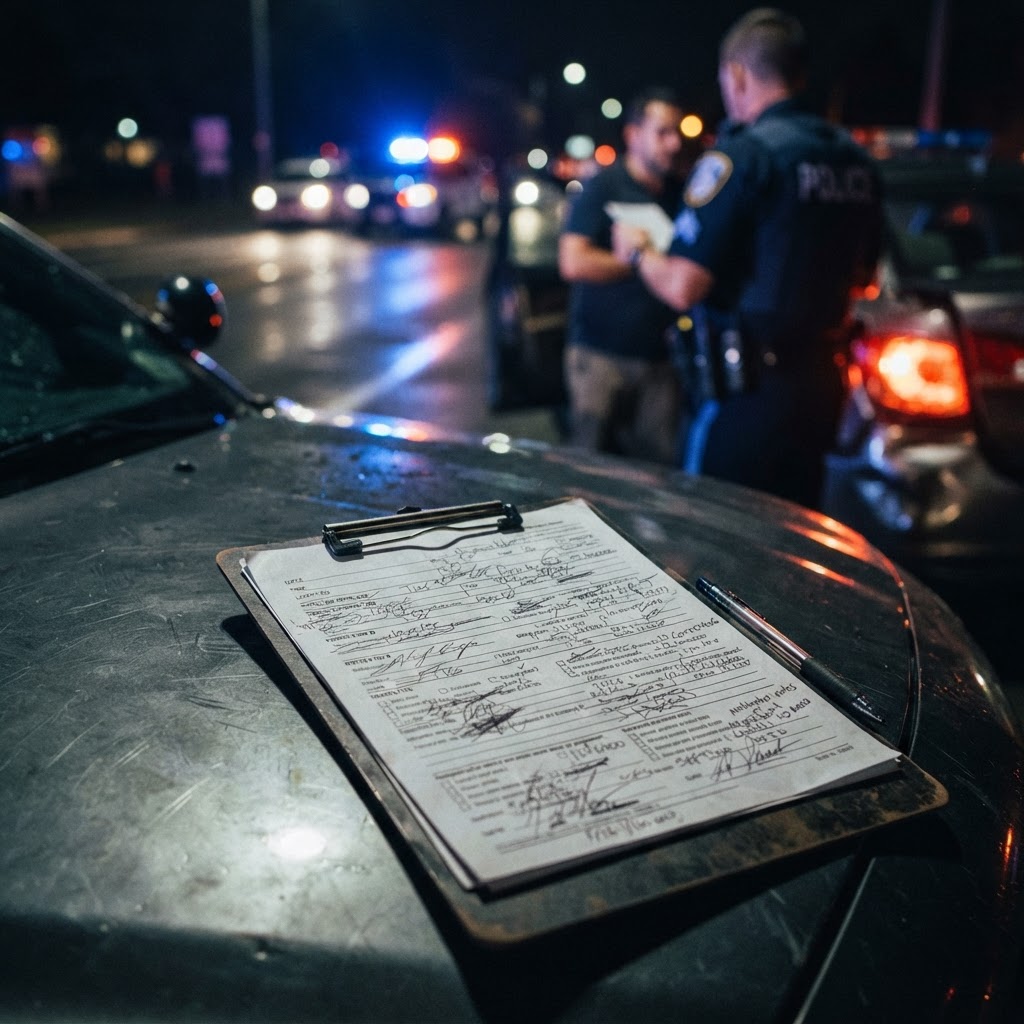
Yes. In California, undocumented immigrants can file a personal injury claim and recover compensation when someone else's negligence causes their injuries. A personal injury case is a civil matter about who caused the harm and what it cost you, not about your citizenship, and California law limits how immigration status can be raised in these cases.
That answer surprises many people. After a crash, some undocumented drivers and pedestrians leave the scene without exchanging information, even when they know they did nothing wrong, because they are afraid that speaking up will expose their status. They end up paying for their own medical care, missing work, and carrying the full weight of an accident someone else caused. This guide explains why that fear, while understandable, usually works against you, and what your rights actually are.
The Questions Most Injured Immigrants Ask First
When you are hurt and do not have legal status, the question "can I file a claim?" quickly turns into a list of worries:
- Can I sue the driver who hit me?
- Will a claim affect my immigration status or a future application?
- Can the insurance company report me to immigration authorities?
- Am I entitled to the same compensation as a citizen?
- Could my case lead to deportation?
- Do I need a lawyer, and can I afford one?
These concerns are normal. The problem is that they keep many injured people from getting treatment and from pursuing money they are legally owed. Being unable to work while you heal adds financial pressure on top of pain and uncertainty. The good news is that California law protects people injured through someone else's carelessness, regardless of their papers.
That protection applies across the full range of accidents. If another party is responsible, you may pursue a claim after a car accident, truck crash, motorcycle collision, bicycle or e-bike accident, rideshare accident, or pedestrian accident. The same rules apply to injuries on someone else's property and many other personal injury situations.
Your Right to Sue Does Not Depend on Your Status
One of the most common misconceptions is that only U.S. citizens or lawful residents can sue after an accident. That is not the law in California. Undocumented immigrants have the same right as anyone else to seek compensation from a person or company that caused their injuries.
If a driver rear-ended you, ran a red light, was texting, was speeding, was driving under the influence, or struck you while you were walking or riding a bike, you can bring a claim. Nothing about your immigration status changes the core questions in the case, which are:
- Who caused the accident?
- Was that person or company negligent?
- What injuries did you suffer?
- What losses did those injuries cause?
The same principle applies to families who lose someone. If your loved one was killed in a crash, eligible family members may bring a wrongful death claim regardless of the immigration status of the survivors or the person who died.
Why California Protects Undocumented Accident Victims
California has long taken the position that everyone should have access to its courts. The logic is straightforward. If a negligent driver could avoid paying simply because the person they hurt lacks documents, careless drivers would effectively receive a discount for injuring immigrants. California lawmakers and courts have rejected that result. The civil justice system exists to compensate injured people and hold wrongdoers accountable, and that purpose does not change based on the victim's paperwork.
How the law changed over time
This was not always how things worked in practice. For years, defendants and insurers sometimes used immigration status as a weapon in litigation. Defense lawyers argued that undocumented victims should receive less, and some insurers calculated lost earnings based on what the injured person might have earned in their country of origin rather than what they were actually earning in California at the time of the crash.
Over time, courts increasingly recognized that these tactics were unfair and contrary to public policy, and the Legislature strengthened protections to keep immigration status from being used to intimidate injured people. Today, California courts generally do not allow status to be used to undermine a personal injury claim, and damages are evaluated based on the victim's life, income, and expenses here, not in another country.
California Laws That Protect You
California Civil Code § 3339
Civil Code § 3339 declares that the protections, rights, and remedies available under state law are available to individuals regardless of immigration status. It generally limits the use of status to deny people remedies they would otherwise have. Related provisions restrict inquiries into a person's immigration status in civil matters unless the information is genuinely necessary, which is meant to discourage intimidation and discrimination.
California Evidence Code § 351.2
Evidence Code § 351.2 addresses personal injury and wrongful death cases specifically. It provides that a person's immigration status is not admissible as evidence in these actions, and that discovery into immigration status is not permitted. In practical terms, the defense generally cannot put your status in front of a jury or dig into it through the lawsuit.
Equal access to remedies
Beyond specific statutes, California courts have repeatedly emphasized that people should not lose legal remedies simply because they are undocumented. When a negligent driver causes harm, the injured person keeps the right to seek compensation.
Will Filing a Claim Affect My Immigration Status?
For most people, this is the question that matters most, and the general answer is reassuring: filing a personal injury claim does not, by itself, affect your immigration status. A personal injury case is a civil proceeding between you and the party that hurt you (usually their insurance company). It is not an immigration proceeding, and its purpose is to recover money for your injuries.
Simply bringing a claim does not:
- Start deportation proceedings
- Create an immigration violation
- Prevent you from applying for immigration benefits in the future
- Take away your other legal rights
Being involved in a car accident generally does not affect immigration status either, unless the accident leads to a criminal charge and conviction (for example, a DUI). Being in a crash is not a crime, and neither is filing a lawsuit. Every immigration situation is different, though, so if you have a pending case, prior removal order, or other specific concern, it is wise to also consult an immigration attorney.
Why an injury claim does not hurt an immigration application
USCIS decides green card, visa, and naturalization applications using specific federal criteria. A personal injury recovery does not fit into the categories those applications focus on:
- It is not public assistance. A settlement is a private payment from an insurer or a negligent party to cover your losses. It is not government cash welfare and is not the kind of benefit considered under the federal "public charge" rules.
- It does not reflect on moral character. Immigration officials look at things like criminal history, tax compliance, and fraud when evaluating "good moral character." Being an injured person who seeks compensation through the civil courts is not a negative factor.
- Standard forms focus elsewhere. Common applications such as Form I-485, Form I-130, and Form N-400 center on criminal records, immigration history, and taxes rather than civil injury claims or insurance settlements. An immigration attorney can confirm how any question on a specific form applies to you.
Can the Insurance Company Report Me to Immigration?
Many undocumented victims fear that contacting an insurer will lead to a report to ICE. In practice, an insurance adjuster's job is to evaluate three things: who caused the crash, how serious your injuries are, and how much the claim is worth. Insurers do not decide immigration matters, and a claim file is built around liability and damages.
Here is the insider reality. Our founding attorney, Shawn Rokni, spent years as a senior insurance defense attorney and in-house counsel for a major auto insurer before representing injured people. Insurers know that fear keeps some claimants quiet, and a claimant who never files, or who accepts the first low offer, is a claim that closes cheaply. That is why understanding your protections matters so much.
Threats about immigration status are off limits
An insurance company or defense lawyer may not threaten to report you to immigration authorities to pressure you into accepting a lowball offer or dropping your case. Threats like that can amount to extortion or coercion, violate the ethical rules that govern attorneys, and expose an insurer to bad faith claims and court sanctions.
What to do if someone makes a threat
- Document it right away. Save emails, letters, and texts. If the threat was spoken, write down the date, time, who said it, and the exact words as best you remember.
- Tell your lawyer. Hand over everything you documented and do not respond directly to the adjuster or defense representative.
- Let your lawyer escalate. Depending on the circumstances, your attorney can seek court sanctions, report potential criminal conduct, and file ethics complaints against defense counsel.
What Compensation Can Undocumented Immigrants Recover?
If another party caused your accident, you may be entitled to the same categories of damages available to any injured person in California.
| Type of damages | What it can include |
|---|---|
| Medical expenses | Ambulance, emergency room, surgery, hospital stays, physical therapy, rehabilitation, prescriptions, and future treatment |
| Lost income | Wages you missed while recovering and, in serious cases, reduced ability to earn in the future |
| Pain and suffering | Physical pain, emotional distress, mental anguish, and loss of enjoyment of life |
| Property damage | Repair or replacement of your vehicle, bicycle, motorcycle, and personal belongings damaged in the crash |
| Future damages | Ongoing care, permanent disability, and long-term effects of the injury |
Lost income can be more complicated for undocumented workers, especially when pay was in cash or records are informal. That is one of the areas where legal help makes a real difference, because documenting your actual earnings is key to getting them counted.
Special concerns for workers in physical jobs
Many undocumented Californians work demanding jobs in construction, warehouses, landscaping, cleaning, restaurants, and driving. An injury that would be an inconvenience for someone at a desk can end your ability to do this kind of work, at least for a time. When one income supports a whole household, a serious injury can put an entire family under strain. Careful evaluation of your work history and physical demands helps make sure a claim reflects that reality.
Common Injuries in California Motor Vehicle Accidents
Crashes can cause injuries that change your life. Some of the most frequent include:
- Traumatic brain injuries and concussions
- Whiplash and other neck injuries
- Back injuries, including herniated discs
- Spinal cord injuries
- Broken bones
- Internal injuries
- Burns and soft tissue injuries
Injuries that seem minor at first can get worse over days or weeks. Getting prompt medical care protects your health and creates the records that support your claim.
California records hundreds of thousands of traffic collisions every year, and thousands of people are killed annually on its roads, with many more seriously hurt. Distracted driving, speeding, drunk driving, failure to yield, reckless driving, and fatigue are among the leading causes. None of those risks depend on a person's immigration status, and neither does the right to be compensated when they cause harm.
What to Do After a Car Accident
The steps you take in the hours and days after a crash affect both your recovery and your claim.
- Call 911. Emergency responders can provide medical help and create an official record of the accident.
- Get medical care. Your health comes first. Some injuries do not show symptoms right away, and treatment records document what happened to you.
- Collect evidence if you can. Take photos of the scene, vehicles, road conditions, traffic signals, and your injuries. Get names and contact information for witnesses and the other driver, plus their insurance information. Our guide to gathering car accident evidence covers this in detail.
- Do not admit fault. Stick to facts. Apologies and guesses about what happened can be used against you later.
- Be careful with adjusters. Insurers often look for reasons to reduce payouts. You generally do not have to give the other driver's insurer a recorded statement, and it is wise to talk with a lawyer first.
- Talk to a personal injury lawyer. The earlier you get advice, the sooner your rights and evidence are protected.
When police arrive at the scene
- Provide the basics. California drivers must show their driver's license (including an AB 60 license), vehicle registration, and proof of insurance to police and the other driver.
- You do not have to discuss your status. An officer investigating a collision does not need to know your immigration status or country of birth, and you have a Fifth Amendment right to remain silent on those questions.
- Never use false documents. Presenting fake papers or lying to an officer is a crime and can create serious immigration consequences. Silence is lawful; false statements are not.
- Know the reporting rules. If anyone is injured or killed, or property damage is significant, California requires drivers to file an SR-1 report with the DMV within 10 days. A lawyer can help you complete required filings correctly.
How Attorney's Fees Work
Money should not stop you from getting legal help. Personal injury cases in California are commonly handled on a contingency fee basis, which means:
- No upfront cost. There is no retainer and no hourly bill to hire the lawyer.
- Payment only from a recovery. The attorney's fee is an agreed percentage of the settlement or verdict. At Insider Accident Lawyers, you pay no attorney's fee unless we recover compensation for you.
- Case costs. Building a case involves costs such as police reports, medical records, and expert review. Personal injury firms commonly advance these costs and are reimbursed from the recovery at the end. Your written fee agreement should explain exactly how costs are handled.
- Treatment on a lien. If you are uninsured, your attorney may be able to connect you with medical providers who treat on a lien, meaning they agree to wait for payment until the case resolves instead of billing you upfront.
- Free consultations. You can talk with us about your accident and ask questions with no obligation.
Insurers sometimes target financially stressed claimants with quick, low offers. Knowing you can get representation without paying out of pocket helps level that playing field.
What Should You Tell Your Lawyer?
It is natural to hesitate before discussing your status with anyone. But honesty with your own lawyer protects you. Tell your attorney what happened, what injuries you have, whether police came, what treatment you received, any contact from insurance companies, and any concerns about your immigration situation.
Your conversations with your lawyer are protected by attorney-client privilege and the attorney's duty of confidentiality. California lawyers are ethically required to keep client information confidential, and Evidence Code § 351.2 keeps immigration status out of personal injury litigation. If something about your situation could affect strategy, your lawyer needs to know so they can plan around it. Having a lawyer also puts a buffer between you and aggressive adjusters, so you are not handling pressure tactics alone.
Why Some Victims Needlessly Walk Away
Many injured people never pursue compensation because they fear deportation, government involvement, questions about their status, language barriers, or court. Insurance companies benefit from that silence. When victims do not assert their rights, negligent drivers and their insurers avoid paying for the harm they caused. Understanding the protections described above is often the first step to getting past that fear.
How a Personal Injury Lawyer Can Help
- Protecting your rights. Your lawyer can stop insurers from using intimidation or confusion against you.
- Handling communications. Adjusters deal with your attorney, so you can focus on recovering.
- Investigating the crash. This can include obtaining police reports, interviewing witnesses, securing surveillance footage, working with accident reconstruction professionals, and reviewing medical records.
- Valuing the claim. Many people underestimate their losses. A lawyer accounts for current and future medical costs, lost income, pain and suffering, and long-term effects.
- Negotiating. First offers are often low. Knowing the tactics adjusters use helps counter them.
- Going to trial if needed. If a fair settlement is not offered, your lawyer can take the case to court.
Can an Undocumented Immigrant Receive a Settlement Check?
Yes. Undocumented immigrants receive settlements in personal injury cases when liability and damages are established. The deciding issue is whether someone else's negligence caused your injuries, not your status. A settlement can cover medical bills, lost earnings, pain and suffering, property damage, and future losses. If you are wondering how that money is treated for tax purposes, see our article on whether personal injury settlements are taxable in California.
Best Practices If You Are Undocumented and Injured
- Choose a personal injury lawyer who has represented non-citizen clients and understands immigration-related concerns.
- Be completely honest with your legal team so they can protect you.
- Never sign anything from an insurance company, or accept a payment, before getting advice.
- Keep every document: medical bills, pay records, texts, and letters from insurers.
- Act promptly. California generally allows two years from an injury to file a lawsuit, and evidence fades quickly.
Talk to Us Safely and Confidentially
Your immigration papers, or the lack of them, do not decide the outcome of your injury claim. The strength of the case does. At Insider Accident Lawyers, we believe every client deserves dignity, respect, and access to justice. Our office is at 3435 Wilshire Blvd, Suite 1620, in Koreatown and Central Los Angeles, and we help injured people throughout California.
If you or a family member was hurt, contact us for a free, confidential case review or call 424-INSIDER. You pay no attorney's fee unless we recover compensation for you.