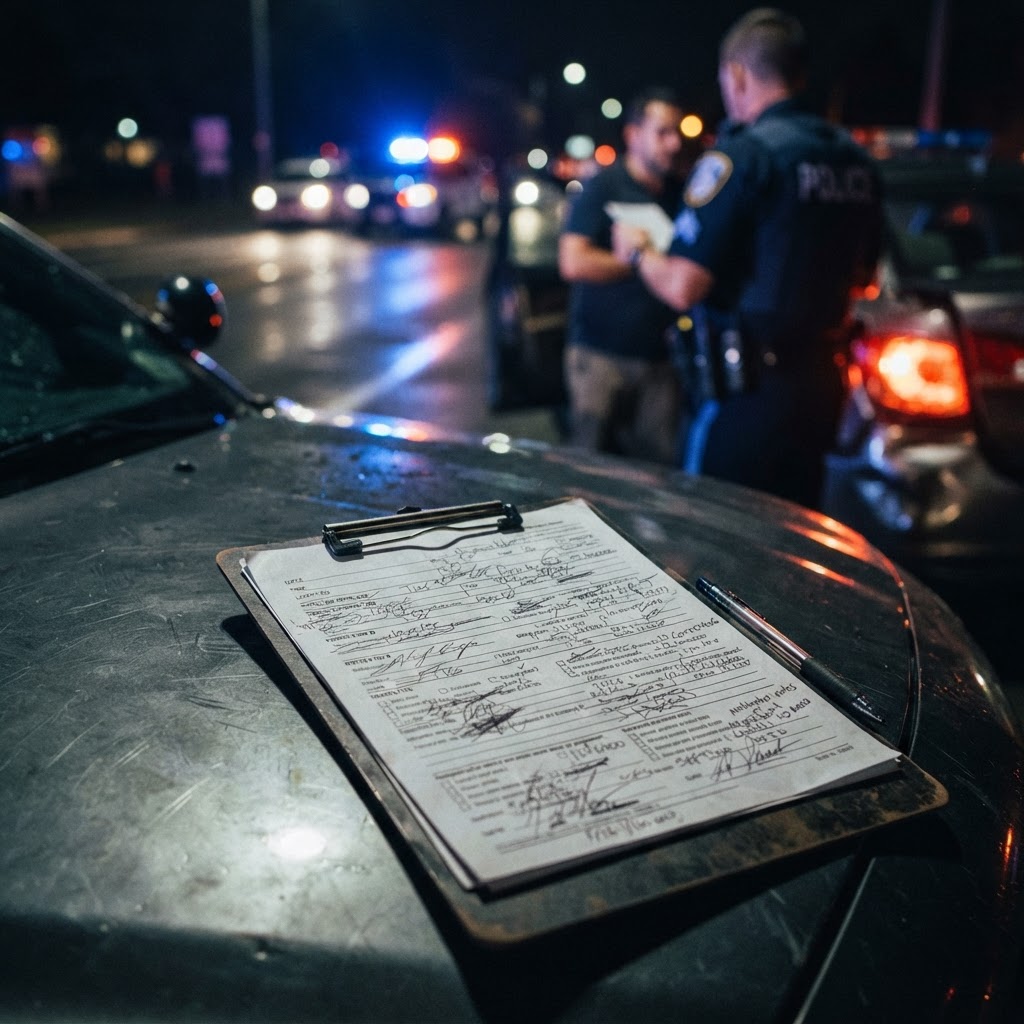
Yes, a personal injury lawyer can drop your case, but not on a whim and not without following rules. California's professional conduct rules require an attorney who withdraws to give you reasonable notice, return your file, and take steps to avoid harming your claim, and if a lawsuit is already on file, the lawyer usually needs the court's permission to withdraw.
Picture it: you were hurt in a crash on the 405, you hired a lawyer, and for the first time since the accident you felt like someone was on your side. Then the call comes. "We need to withdraw from representing you." It is unsettling and can feel personal. Did you do something wrong? Is the case falling apart? Have you lost your chance at compensation?
Take a breath. Attorney withdrawal is not common, and when it happens, the claim can usually stay on track. We regularly hear from people throughout Los Angeles whose prior firm withdrew, whether because the lawyer retired, found a conflict of interest, or decided the matter did not fit their practice. This guide covers when a lawyer can step away, why it happens, and exactly what to do next.
The Rules That Govern Withdrawal in California
California lawyers are bound by the State Bar's Rules of Professional Conduct, including Rule 1.16, which covers declining and ending representation. In broad terms, the rule sets out situations where a lawyer must withdraw (for example, when continuing would violate the law or ethics rules) and situations where a lawyer may withdraw. In every case, the lawyer must take reasonable steps to avoid foreseeable harm to the client's rights.
How that plays out depends on where the case stands:
- Before a lawsuit is filed: The attorney can end the relationship but must give you reasonable notice, return your file and materials, refund any unearned fees paid in advance, and avoid leaving you exposed to an imminent deadline without warning.
- After a lawsuit is filed: The attorney generally must ask the judge for permission by filing a motion to be relieved as counsel. The court looks at whether withdrawal would unfairly harm you or disrupt the case.
Think of it like ending a lease. You cannot drop your keys through the mail slot and vanish overnight. There is a process. If your trial is set for next month at the Stanley Mosk Courthouse in downtown Los Angeles, your lawyer cannot simply disappear before jury selection; the court will want to make sure you have a fair chance to find new counsel.
Common Reasons a Lawyer Withdraws
In many situations, withdrawal has little to do with you. These are the most common reasons.
A conflict of interest appears
Suppose you were hurt in a multi-car crash on the 10 near downtown, and during the investigation it turns out another driver involved is an existing client of the same firm. California lawyers owe strict duties of loyalty, and when those duties collide, withdrawal may be required.
Communication breaks down
Injury claims run on information: medical records, employment records, insurance letters, witness details, and photos. No lawyer expects instant replies from someone recovering from serious injuries. But if a client goes silent for months, skips medical appointments, and never returns calls, the attorney may be unable to move the case forward.
The client repeatedly rejects legal advice
You stay in control of major decisions in your case, such as whether to settle. But you hired the lawyer for professional judgment. If the attorney keeps warning against talking to the adjuster, posting about the crash on social media, or abandoning treatment, and the client does it anyway, the relationship can become unworkable. It is like hiring a mechanic and insisting they ignore every warning light on the dashboard.
The facts change
A case can look very different six months after the first meeting. Surveillance video may show the crash happened differently than reported, a witness may change their account, or medical evidence may suggest an injury was not caused by the collision. Lawyers have an ethical duty not to pursue claims they no longer believe have legal merit. That does not mean you were dishonest; it means the evidence shifted.
The relationship becomes abusive
Injury claims are emotional, and frustration is understandable when you are in pain and dealing with insurers. But threats, harassment, or abusive behavior toward the legal team can make representation impossible.
The lawyer's own circumstances change
Sometimes the reason has nothing to do with the case. An attorney may retire, face health problems, join another firm, leave private practice, take a judicial appointment, or cut back their caseload. Larger firms often move the case to another attorney internally; smaller firms may need to withdraw and give you time to find new counsel.
Can a Lawyer Drop Your Case Because It Is Not Worth Enough?
This worries many clients, and the honest answer is: sometimes, but it is more nuanced than that.
Personal injury lawyers usually work on contingency, meaning they are paid only if they recover compensation. Firms therefore evaluate whether they have the resources a case requires. Compare a minor Koreatown parking lot fender bender involving a couple of urgent care visits and no lost wages with a catastrophic truck crash near the Port of Los Angeles involving multiple surgeries and lifelong disability. The work and investment involved are very different.
Smaller cases matter. But not every firm is set up to handle every kind of claim. When a firm decides a case is not a fit, the responsible approach is to explain that clearly, in time for you to act, and ideally to refer you to someone who can help rather than leaving you with no options.
What a Lawyer Generally Cannot Do
Permission to withdraw is not unlimited. A lawyer generally cannot just walk away because:
- They lost interest or a more lucrative case came along
- They forgot about your file
- They do not want to attend an upcoming hearing
- They are suddenly too busy, without taking reasonable steps to protect you
And if withdrawal would seriously damage your ability to pursue your claim, a court may refuse to allow it.
Does Being Dropped Mean You Have a Bad Case?
Not necessarily. Many strong cases change lawyers. The original attorney might have retired, or the case may have grown more complex and now calls for a firm that regularly takes cases to trial.
Los Angeles cases have a way of getting complicated quickly. A seemingly simple crash on the 101 can end up involving several insurers, a commercial truck or rideshare company, surveillance footage from nearby businesses, and independent witnesses. Some firms decide that kind of case needs more resources than they can provide. A new firm with the right capacity may be a better fit, and a change of counsel does not automatically weaken the claim.
What to Do If Your Lawyer Drops Your Case
Being told your lawyer is withdrawing can feel like the rug was pulled out from under you. Act promptly and your claim can usually stay on track.
1. Ask why
Your attorney may not be able to share every detail, especially where ethics rules are involved, but they should generally tell you whether the reason is a conflict, retirement, a communication problem, or something else. Knowing the reason helps you avoid repeating the problem.
2. Get your complete file
Your file belongs to you. Request everything, including:
- Medical records and bills
- Police reports
- Witness statements
- Insurance correspondence and any settlement offers
- Demand letters
- Photos and video
- Expert reports
- Court filings, if a lawsuit was filed
A complete file lets your next attorney get up to speed quickly.
3. Watch every deadline
Your case does not pause because your lawyer left. Insurers keep working their files, businesses keep recording over video, and the clock keeps running on California's two-year statute of limitations for most personal injury claims. If a lawsuit is already pending in Los Angeles County Superior Court, there may also be hearings, discovery responses, depositions, or mediation dates that cannot be ignored.
4. Start contacting new lawyers right away
Do not lose weeks deciding what to do. When you talk to a new firm, tell them your prior lawyer withdrew, whether a lawsuit is on file, any upcoming dates you know about, and why you believe the representation ended. Our list of questions to ask a personal injury lawyer can help you prepare.
You Can Change Lawyers Even If They Have Not Dropped You
Many people believe they are stuck once they sign a contingency fee agreement. They are not. In California, clients generally have the right to change lawyers. People switch for all kinds of reasons: calls are not returned, nothing seems to be happening, the case has sat untouched for months, or the client started with a general practice attorney and now wants a firm focused on personal injury litigation.
Will switching hurt my case?
Usually not. A new attorney can bring fresh eyes, additional resources, and a different approach to negotiation or trial. What matters is making the transition quickly, so the new team can review the evidence, contact witnesses, gather records, and take over communication with the insurer without unnecessary delay.
What happens to attorney's fees?
Changing lawyers generally does not mean you pay two full contingency fees. Typically, the prior lawyer may have a claim for the reasonable value of the work they did, which is resolved out of the fee at the end of the case rather than billed to you separately. The details depend on the agreements and the work each firm performed, so ask any new firm to explain how it handles this before you sign.
How to Keep the Attorney-Client Relationship Strong
Most withdrawals that are not about retirement or conflicts come down to a breakdown in the working relationship. A few habits make that far less likely, and they also tend to make the claim itself stronger.
- Stay reachable. Keep your phone number, email, and address current with the firm. If you will be traveling or in the hospital, let them know who they can contact.
- Keep treating. Attend the medical appointments your doctors recommend and tell your lawyer if you need to stop or change providers. Gaps in care are one of the first things an adjuster looks for.
- Route insurer contact through your lawyer. If an adjuster calls you directly, take their name and number and pass it along instead of discussing the case.
- Be candid about bad facts. Prior injuries, earlier claims, or anything you said at the scene are easier to deal with when your lawyer hears about them from you first rather than from the defense.
- Stay off social media about the case. Photos and posts are routinely pulled into injury claims and taken out of context.
- Ask questions early. If you do not understand a strategy decision or feel out of the loop, ask for a call. Small misunderstandings are easy to fix before they turn into frustration on either side.
Warning signs a case may be stalling
On the flip side, watch for signs that your case is not getting the attention it needs: months pass without an update, nobody can tell you whether a demand has been sent, you cannot get a straight answer about your deadline, or you learn about offers or court dates only by accident. Any of these is a good reason to ask direct questions and, if the answers are not satisfying, to get a second opinion from another firm before an important date arrives.
What to Look for in Your Next Lawyer
Nobody wants to go through this twice. When you interview attorneys, look for:
- Clear, regular communication and case updates
- Experience with cases like yours
- Willingness and ability to go to trial if negotiations fail
- Honest expectations instead of big promises
- Patience in answering your questions
If a lawyer promises you millions before looking at your records, that is not the kind of confidence you want. A trustworthy attorney explains both the strengths and the weaknesses of your claim. For a closer look at how strong cases are built, see what effective car accident lawyers do.
The insider perspective helps too. Our founder, Shawn Rokni, previously worked as a senior insurance defense attorney and in-house counsel for a major auto insurer. Insurers pay close attention to which firms are prepared to litigate. A case that stalls or changes hands is sometimes seen as an opening to lowball, and a prompt, organized handoff helps take that opening away.
Why Local Experience Matters in Los Angeles
Los Angeles is one of the largest legal markets in the country. From the 405 and the 110 to Pacific Coast Highway and busy neighborhood streets, local knowledge of traffic patterns, court procedures, and the insurers that defend Southern California claims can be a real advantage. Whether your crash happened leaving Dodger Stadium, heading to Long Beach, or crossing rush-hour traffic on Wilshire, a firm that knows the local landscape can move your case forward efficiently. Our office is on Wilshire Boulevard in Koreatown and Central Los Angeles.
A Fresh Start for Your Claim
A lawyer can drop your case, but that does not have to end your claim. If your previous attorney withdrew, or you are thinking about making a change, our personal injury team can review where things stand, identify any deadlines, and explain your options.
Contact Insider Accident Lawyers for a free case review or call 424-INSIDER. You pay no attorney's fee unless we recover compensation for you.