Insurance adjusters work for the insurance company, and their job is to resolve your claim for as little as the evidence allows. The most common adjuster tactics include acting like your friend, pushing for a recorded statement, making a quick lowball offer, shifting blame onto you, and using gaps in medical treatment or social media posts to argue your injuries are minor. Knowing these tactics before you talk to an adjuster can protect the value of your claim.
If you were hurt in a car, truck, motorcycle, bicycle or pedestrian accident in California, expect a call from an adjuster within days, sometimes within hours. They will probably sound kind and reassuring. Many adjusters are genuinely professional. But understanding who they work for, and how insurers actually decide what to pay, puts you on much firmer footing.
Why We Know How Adjusters Think
Before founding Insider Accident Lawyers, Shawn Rokni worked as a senior insurance defense attorney and in-house counsel for a major auto insurer. He spent years advising insurers on how to value and defend injury claims. As he puts it:
"The biggest thing I learned as an insurance defense attorney is how to value a personal injury case."
That perspective shapes how our firm builds cases today. In Shawn's words, "You bring all that to the plaintiff's side and you know exactly what the defense is going to do." Instead of reacting to insurance company arguments, we try to address them before they become obstacles.
Why the Adjuster Calls So Quickly
A fast phone call is not a sign that the insurer is eager to pay. It is a sign that the investigation has started, ideally for them, before you have gathered evidence, finished treatment, or talked to a lawyer. Early questions often include:
- How did the accident happen?
- Have you seen a doctor?
- Have you missed work?
- Do you think you were partly at fault?
- Would you be willing to give a recorded statement?
Each answer goes into the claim file and can influence how your claim is valued. Every conversation matters.
Tactic 1: Acting Like They Are on Your Side
Adjusters are trained communicators. They often open with sympathy, ask how you are feeling, and promise to wrap everything up quickly. Courtesy is fine, but it does not change the adjuster's role: to investigate the claim and protect the insurer's financial interests. Be polite, but remember the conversation is part of an investigation.
Tactic 2: Putting a Number on Your Claim Behind the Scenes
Many people assume settlement offers reflect an objective judgment about fairness. In reality, they reflect a risk assessment. Shawn describes it this way: "Insurance companies analyze liability, evaluate the injuries, review the evidence, and put a value on a claim based on those factors."
The factors typically include who caused the crash and whether that can be disputed, the medical treatment you received and will need, lost income, pain and suffering, witness credibility, the available evidence, and the likelihood of losing at trial. Many insurers also run claims through valuation software; we explain that process in how Colossus can undervalue your claim. Each new medical record, witness statement or expert opinion can move the number.
Tactic 3: Shifting Blame to You
California uses pure comparative negligence, so fault can be shared, and your compensation is reduced by your share. If you are found 20% responsible, your recovery generally drops by 20%. Adjusters know this rule well, so they look for any argument that you contributed to the crash or to your own injuries: speeding, distraction, not braking sooner, or not getting prompt medical care. Even a small bump in your percentage of fault saves the insurer money. If the police report is part of the problem, read our guide on what to do about a wrong police report.
Tactic 4: Measuring Risk Instead of Fairness
The insurer is not asking whether you deserve to be compensated. It is asking how much financial exposure it faces if the case goes forward. "Working for an insurance company, you're always evaluating the risks," Shawn explains. "You're looking at what could happen at trial and what the case is really worth."
If the insurer believes a jury could award significant damages, negotiations tend to become more serious. If it sees weak evidence, the offers stay low. Your goal is to build a case that clearly shows real risk to the insurer.
Tactic 5: Mining Your Documents for Weaknesses
Adjusters, like attorneys, rely on documents: medical records, witness statements, employment records, and the police report. They read them looking for problems. Treatment gaps become "your injuries weren't serious." Differences between your statement and the police report become "credibility issues." Delayed care becomes "something else caused this."
Your best protection is to get medical care promptly, follow your doctor's recommendations, and keep copies of everything related to the accident.
Tactic 6: Leaning on Defense Attorneys
Adjusters do not always make settlement decisions alone. Once a case is in litigation, defense attorneys play a major role. "We were the ones advising insurance adjusters on how much to pay to settle cases once they were in litigation," Shawn says. Defense counsel investigates, interviews witnesses, takes depositions, and predicts how a jury will react. Those recommendations often drive the insurer's strategy, which is why it helps to have someone on your side who has sat in on those discussions.
Tactic 7: Evaluating You, Not Just Your Injuries
Insurers assess whether your story stays consistent, whether your treatment matches your reported symptoms, and whether your behavior fits your claim. A social media photo of you at a birthday party or carrying groceries can be pulled out of context to argue you are not really hurt. That does not make your claim invalid, but it is a reason to be careful about what you post. See our article on how social media can impact your personal injury case.
Tactic 8: The Fast Settlement Offer
When medical bills, car repairs and missed paychecks are piling up, a quick check is tempting, and adjusters know it. Offers made days or weeks after a crash rarely account for future treatment, surgery, rehabilitation, chronic pain, or lost earning capacity.
Once you accept and sign a release, you generally cannot reopen the claim, even if your condition turns out to be worse than expected. A settlement should reflect the full impact of your injuries, not just the costs of the first few weeks.
Tactic 9: The "Routine" Recorded Statement
An adjuster may describe a recorded statement as "just part of the process." In reality, that recording can later be compared line by line with the police report, your medical records, witness accounts, and your deposition testimony. Minor inconsistencies, like estimating a speed differently or forgetting a symptom, can be used to question your credibility or argue your injuries were not caused by the crash. You are generally not required to give a recorded statement to the other driver's insurer, and it is wise to talk with a lawyer before giving any detailed statement.
Tactic 10: Exploiting Gaps in Treatment
If you delay treatment, miss appointments, or stop following your doctor's plan, expect the adjuster to argue that your injuries were minor, that you recovered sooner than you claim, or that something else caused your current condition. Gaps do not automatically sink a claim, and there are often good reasons for them, such as work, childcare or cost. But consistent treatment creates a much stronger record. If your doctor orders physical therapy, follow-up visits or imaging, follow through unless another qualified provider advises otherwise.
Tactic 11: Preparing for Trial From Day One
Even while negotiating, the insurer is thinking about the courtroom. "You learn a lot about valuing cases and how adjusters think, because you're always wrestling with adjusters," Shawn says. Behind the scenes, the insurer is asking: Will a jury believe this person? Can they prove liability? How persuasive are the medical records? What could a jury award if we lose? The stronger your case looks on each of those questions, the more pressure there is to negotiate fairly.
Tactic 12: Using Your Deposition to Size You Up
If your case goes into litigation, you will probably be deposed, meaning you will answer questions under oath before trial. Defense attorneys are very experienced at this. As Shawn notes, "Defense attorneys have to take a deposition for every single case, so they get very good at depositions," adding, "I took several hundred depositions as a defense attorney."
At a deposition, the defense is not only collecting facts. They are judging how you will come across to a jury, whether your testimony matches the evidence, and where they can attack later. Careful preparation with your attorney makes a real difference.
Tactic 13: Focusing on Technicalities
Sometimes the insurer does not dispute that its driver caused the crash. Instead, it focuses on whether you can prove every element of your claim. Shawn explains the defense mindset: "Generally your client is at fault, so you're looking at it technically: Can they meet their burden of proof? Do they have enough evidence?"
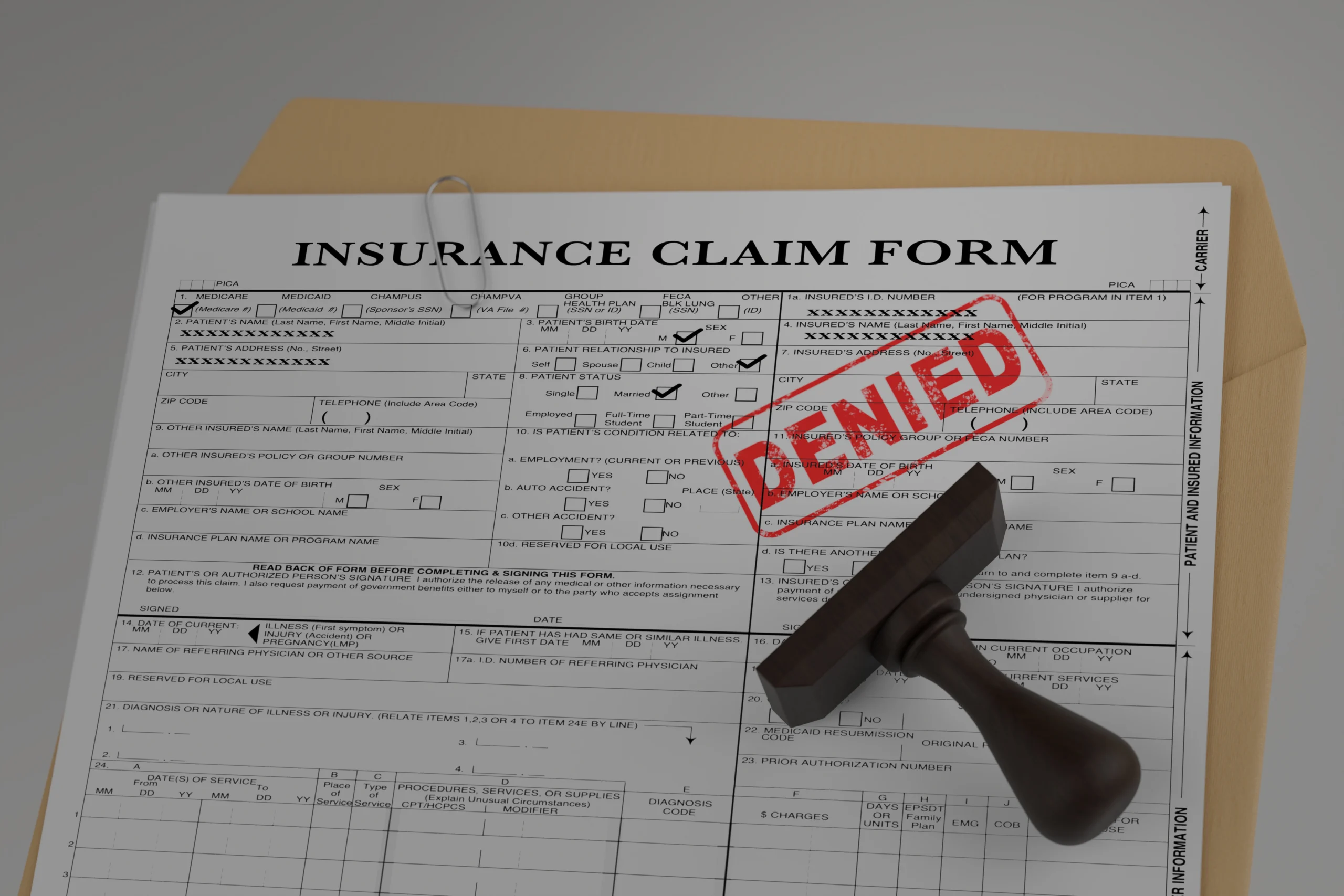
That means looking for missing records, conflicting testimony, unavailable witnesses, or gaps in proof of damages. Thorough evidence is the answer. If your claim has already been turned down, see our guide on how to challenge a denied car accident claim.
What to Say, and Not Say, When the Adjuster Calls
You do not have to be rude or evasive with an adjuster, but you should be careful. A few practical guidelines:
- Do confirm basic information: your name, contact details, the date and location of the crash, and your vehicle and insurance information.
- Do write down the adjuster's name, company, phone number and claim number, and keep notes of every call.
- Do ask for important requests and offers in writing.
- Don't guess about speeds, distances or timing. "I'm not sure" is an honest and acceptable answer.
- Don't say "I'm fine" or "I'm not hurt." Many injuries take days to show symptoms, and those words will be quoted back to you.
- Don't apologize or speculate about who was at fault. A polite "I'm sorry this happened" can be framed as an admission.
- Don't sign a broad medical authorization without understanding it. Some authorizations let the insurer pull years of unrelated records to look for pre-existing conditions.
- Don't agree to a settlement on the phone, or cash a check that is labeled as a final payment, before you understand what you are giving up.
If you have a lawyer, you can simply tell the adjuster to direct all communication to your attorney. From that point on, the insurer generally has to deal with your lawyer instead of calling you directly, which removes much of the pressure from the process.
Your Own Insurer Can Use These Tactics Too
These tactics are not limited to the other driver's insurance company. If you file an uninsured or underinsured motorist claim, a medical payments claim, or a collision claim with your own insurer, that company is also evaluating risk and cost. Your policy may require you to cooperate with your own insurer, including giving a statement, but you can still prepare carefully and ask for help before you do. Knowing how claims are valued is useful no matter which company is on the other end of the phone.
How to Protect Your Claim
Insurers have adjusters, investigators and defense lawyers working together from the start. You can level the field by taking these steps:
- Get medical treatment as soon as possible, and follow your provider's recommendations.
- Photograph the scene, the vehicles and your injuries.
- Keep copies of medical records, bills and receipts for out-of-pocket costs.
- Save all written communication with insurance companies.
- Stay off social media when it comes to your accident and your activities.
- Talk with an attorney before giving a recorded statement or accepting any settlement.
Getting the Evidence in Order Before a Lawsuit
Much of the most important work in an injury case happens long before a courtroom. As Shawn explains, the time before a lawsuit is filed is when you get all your evidence in order. That can mean securing surveillance video, interviewing witnesses, collecting complete medical records, consulting experts, and documenting every category of damages. A well-prepared case tells the insurer you are ready to prove your claim if you have to.
Knowing the other side's playbook also helps. "You evaluate the case better, because you already know what they're going to say on the other side," Shawn says. That lets our team spot weaknesses early and negotiate from an informed position.
Don't Let These Tactics Cost You
You do not have to navigate the claims process alone. Whether you were hurt in a car accident or another incident caused by someone's negligence, our personal injury team can deal with the adjusters, build the evidence, and pursue the full value of your claim. Contact Insider Accident Lawyers for a free case review or call 424-INSIDER. You pay no attorney's fee unless we recover compensation for you.