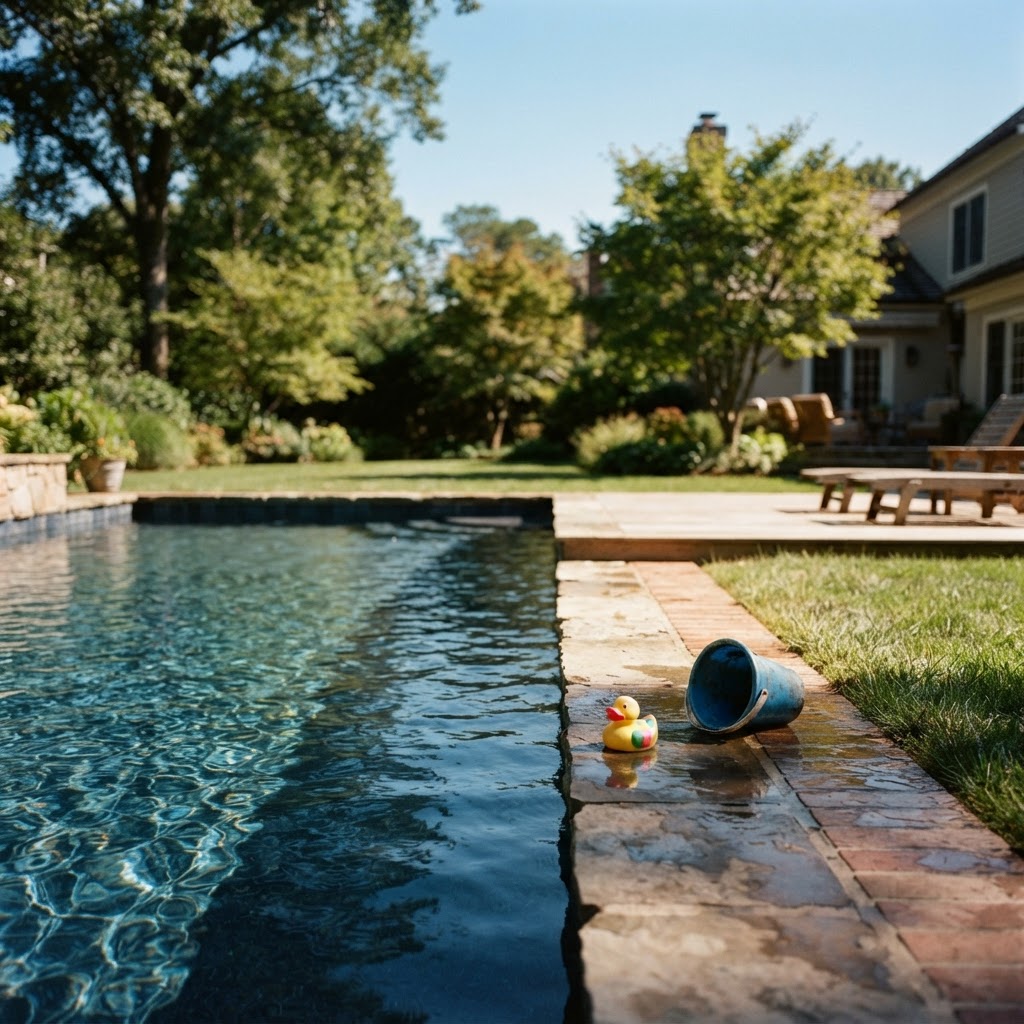
An attractive nuisance is a dangerous condition on property, such as an unfenced swimming pool, construction site, or abandoned building, that is likely to draw in children who are too young to understand the risk. Under the attractive nuisance doctrine, a property owner can be held liable when a child is hurt by that kind of hazard, even if the child was trespassing, if the owner could have prevented the harm with reasonable precautions.
Kids are curious by nature. A backyard pool looks like fun, not a drowning hazard. A bulldozer looks like a jungle gym. The law recognizes that reality and asks property owners to take reasonable steps when they know, or should know, that something on their property is likely to attract children. For families dealing with a child's injury, understanding this doctrine is an important first step toward understanding their rights.
The Attractive Nuisance Doctrine, Explained
Normally, property owners owe only limited duties to trespassers. The attractive nuisance doctrine carves out an exception for children, because children often lack the judgment to recognize certain dangers and can't be expected to protect themselves the way adults can.
Our firm's president, Shawn Rokni, describes it this way:
"An attractive nuisance is mainly a concept that comes up with children. Basically, it is a reason for the duty of care that comes with attracting children to a condition that's present there. Usually, because the children are curious and often lack the maturity to understand the danger present. This is a legal doctrine that requires property owners to take reasonable steps to eliminate the hazard."
In California, property owners owe a general duty to use reasonable care to avoid injuring others (Civil Code section 1714). The attractive nuisance factors help show what reasonable care looks like when a hazard is likely to draw children in. The doctrine isn't about punishing property owners. It's about encouraging simple precautions that prevent tragic, often avoidable injuries.
Common Examples of Attractive Nuisances
Swimming pools are the classic example, but many other hazards can qualify depending on the facts:
- Swimming pools and hot tubs
- Ponds, fountains, and other water features
- Construction sites, excavations, and trenches
- Trampolines and treehouses
- Heavy machinery and unsecured ladders
- Abandoned vehicles
- Vacant or abandoned buildings
- Electrical equipment
- Railroad turntables and similar equipment
Whether a specific condition counts as an attractive nuisance depends on the circumstances of each case.
Swimming Pools
Children are drawn to water, especially in warm weather, and here in Southern California that means much of the year. Pools can be deadly for young children who slip in unnoticed. Precautions that may be expected of pool owners include:
- Fencing that fully encloses the pool
- Self-closing, locked gates
- Pool covers
- Warning signs
- Other safety measures required by local codes
The toll of childhood accidents in California is sobering: according to California Department of Public Health death data, 230 children under age ten died in accidents across the state in 2025. An owner who fails to install proper fencing, secure gates, maintain barriers, or follow safety regulations may be held liable if a child is hurt. Learn more about our swimming pool accident cases.
Construction Sites
Construction zones are full of hazards: falling objects, open trenches, power tools, scaffolding, and heavy equipment. To a child, they can look like the most exciting place in the neighborhood. Owners and contractors may be expected to secure sites with fencing, barriers, and warning signs to keep children out, especially after working hours.
Abandoned Buildings
Vacant homes, warehouses, and other abandoned structures attract kids looking for adventure. They can also hide structural defects, broken stairs, exposed wiring, hazardous materials, and unstable floors. Owners who leave these properties open may face liability if a child is injured inside.
A Real Case: The Mall Play Area
Shawn has handled a number of cases in which the attractive nuisance concept came into play. In one, he represented a young boy injured in a children's play structure at a shopping mall. As Shawn describes it:
"When you go to the mall and there are those play pens that they build for children… that's an attractive place, right? …If there's a problem that causes the playpen to become dangerous, that becomes one of those situations [in which attractive nuisance applies]."
In that case, a tunnel in the play structure was missing a screw, which created a gap that opened and closed like a guillotine. The boy's finger was caught in the gap and severed. Shawn helped the family recover damages from the property owner. The case illustrates how a small maintenance lapse in something built specifically to attract children can cause devastating harm.
What Must Be Proven in an Attractive Nuisance Claim?
Not every child's injury on someone else's property is an attractive nuisance case. Generally, these elements must be shown:
1. The Owner Knew or Should Have Known Children Were Likely to Be There
The first question is foreseeability. Would a reasonable owner expect children to come onto the property and be drawn to the condition? A homeowner with an unfenced pool in a residential neighborhood full of families can reasonably anticipate that children may wander in.
2. The Condition Posed an Unreasonable Risk of Serious Harm
Everyday conditions and minor risks usually don't qualify. The danger must be serious enough that injury is likely if a child gets access.
3. The Child Couldn't Appreciate the Danger
This is often the heart of the case. Young children can't be expected to understand every hazard. A six-year-old may not grasp the risk of drowning or of electrocution from exposed wiring.
4. Preventing the Danger Would Have Been Reasonable
Courts weigh the burden of eliminating the hazard against the risk. Fencing a pool or locking a gate is a modest effort compared with the possibility of a catastrophic injury.
5. The Owner Failed to Use Reasonable Care
Finally, the owner must have failed to take reasonable precautions. Reasonable care doesn't mean eliminating every conceivable danger; it means taking sensible steps to reduce foreseeable risks.
What If the Child Was Trespassing?
This is one of the most common questions families ask, and the answer is often that the owner can still be liable. As Shawn puts it: "Usually [yes], because the children are curious and often lack the maturity to understand the danger present."
Adults who trespass generally assume much of the risk. Children are treated differently because they may wander onto property without understanding what they're doing or what could happen. If a hazard is likely to attract children and the owner doesn't secure it, the child's status as a trespasser doesn't automatically defeat the claim. That is one of the key ways these cases differ from other premises liability claims. For a broader overview, see our guide to premises liability basics.
Injuries Commonly Linked to Attractive Nuisances
- Drowning and near-drowning
- Traumatic brain injuries
- Broken bones
- Spinal cord injuries
- Electrical burns
- Crush injuries and amputations
- Internal organ damage
- Fatal injuries
Because these cases involve children, the injuries can shape an entire lifetime, with long-term medical care, therapy, and emotional consequences for the whole family.
Defenses Property Owners Raise
Owners and their insurers usually try to knock out one of the elements. Common defenses include:
- The child was old enough to understand the danger. The defense may argue the child appreciated the risk and chose to take it anyway.
- The hazard wasn't attractive to children. They may claim the condition wasn't the kind of thing likely to draw kids in.
- Reasonable precautions were already in place. An owner may point to fences, locks, or signs and argue they did enough.
- The injury wasn't foreseeable. They may argue the accident happened in an unusual way no one could have anticipated.
Evidence about the property, the child's age and understanding, and what the owner knew often decides whether these defenses hold up.
When to Talk to a Premises Liability Lawyer
If your child was hurt on someone else's property, speak with an attorney as soon as you can. Hazards get fixed and evidence disappears after an accident. A lawyer can investigate what happened, preserve evidence, identify every responsible party, apply the relevant law, calculate the full cost of your child's injuries, negotiate with insurers, and take the case to court if needed. Our article on choosing a premises liability attorney in Los Angeles explains what to look for.
Attractive nuisance cases take many forms, from pools and construction sites to abandoned buildings and play structures. If your child was injured by a dangerous condition on someone else's property, contact Insider Accident Lawyers for a free case review. You pay no attorney's fee unless we recover compensation for you.