After a hit and run, get to safety, call 911, and report the crash to police right away. Write down everything you remember about the fleeing vehicle, photograph the scene, get witness contact information, and see a doctor even if you feel fine. In California, you may still recover compensation through your own uninsured motorist coverage, and through a claim against the driver if they are later identified.
Few things are as frustrating as being hurt by a driver who simply takes off. Beyond the injuries and the damaged car, there is the sinking feeling that no one will be held responsible. A hit and run does make a claim more complicated, but it does not leave you without options. What you do in the first hours and days can make a real difference.
What Counts as a Hit and Run?
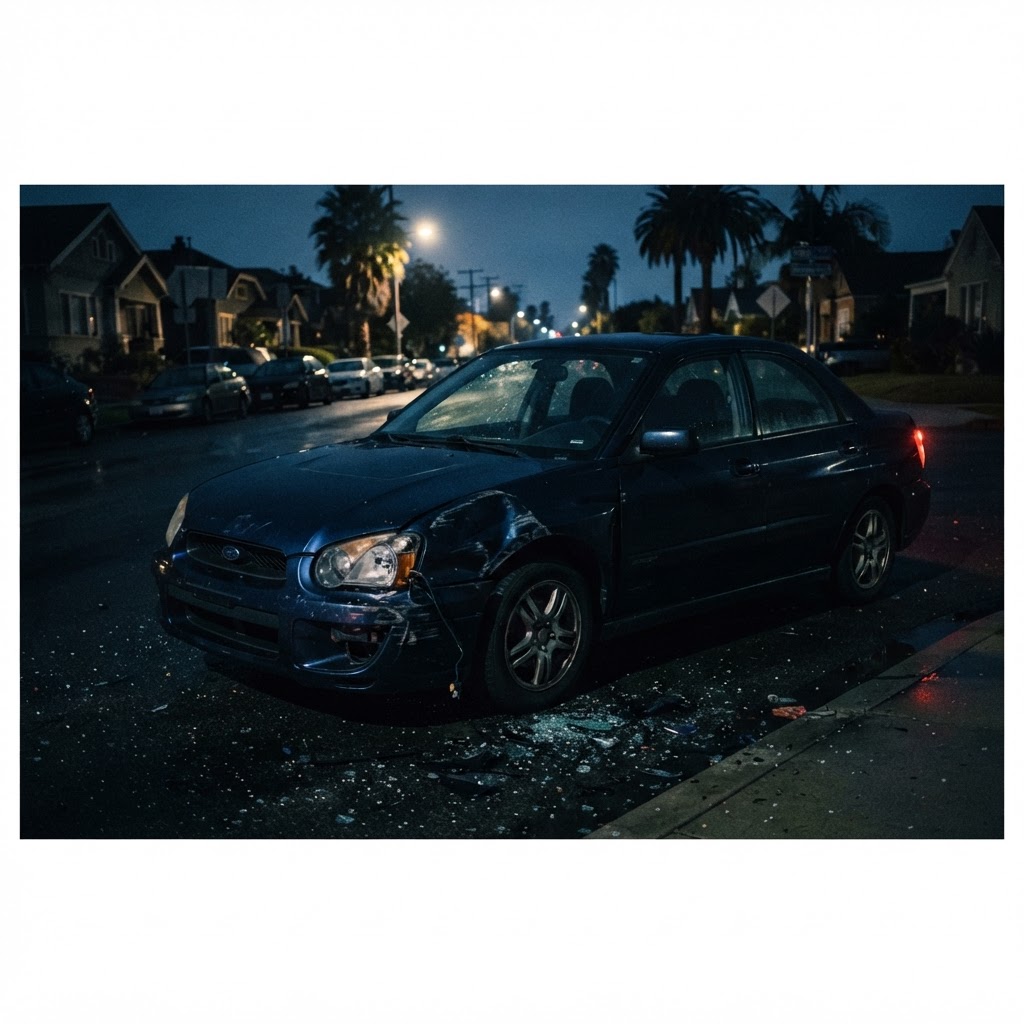
A hit and run happens when a driver involved in a collision leaves without stopping to exchange information, check on anyone who may be hurt, or summon help when required. It can involve passenger cars, motorcycles, commercial trucks, cyclists and pedestrians. Leaving the scene is illegal in California regardless of how minor the crash looks, and it can carry serious criminal penalties when someone is injured.
Step 1: Get Safe and Check for Injuries
Your safety comes first. If you can, move your vehicle out of traffic, turn on your hazard lights, check yourself and your passengers, and call 911. Do not chase the other driver. Remember that adrenaline masks pain; whiplash, concussions and internal injuries often do not show up for hours or even days.
Step 2: Call the Police and Make a Report
Reporting the crash is one of the most important steps you can take. Responding officers may interview witnesses, collect debris, look for surveillance cameras, document skid marks, and broadcast a description of the fleeing vehicle. The report also becomes key evidence for your insurance claim.
It matters for coverage too. California's uninsured motorist law generally requires that a hit and run be reported to police within 24 hours, and for an unidentified driver, coverage generally requires that the other vehicle made physical contact with you or your vehicle. Never assume a crash is too minor to report.
Step 3: Write Down Everything You Remember
Details fade quickly, so record them as soon as you can:
- Make, model and color of the vehicle
- License plate, even a partial number
- Direction the vehicle went
- Damage to the other vehicle
- Stickers, decals, roof racks or other distinctive features
- Anything you noticed about the driver
Step 4: Photograph the Scene
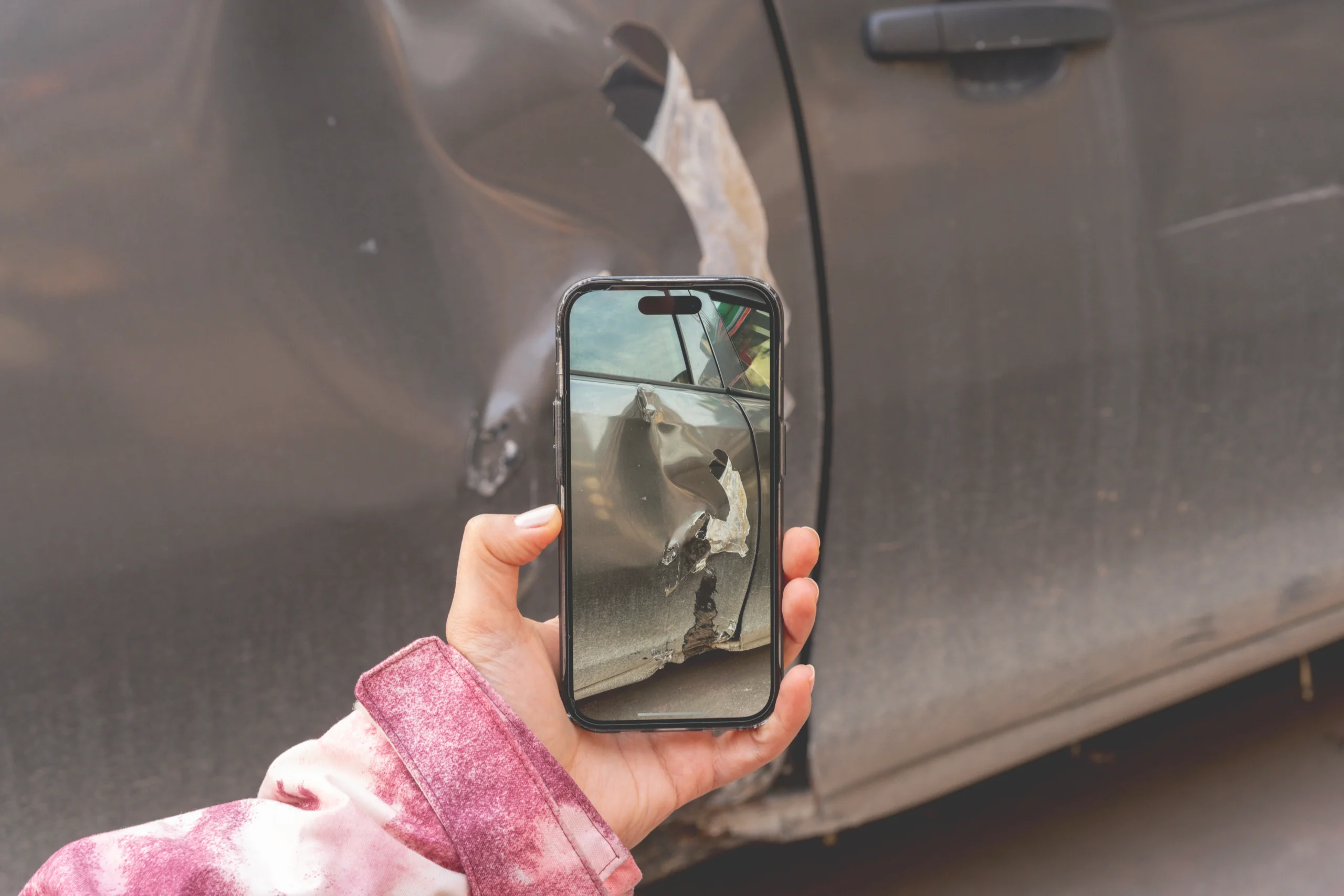
Take wide shots and close-ups from several angles of your vehicle damage, the roadway, traffic signals, tire marks, debris, road conditions and your injuries. Pieces of the other car, like a broken mirror or grille fragment, can help identify it. Also photograph nearby security cameras on businesses and homes so you or your attorney can request footage.
Step 5: Talk to Witnesses
Bystanders were not the ones being hit, so they often notice things you could not, such as a plate number, what the driver looked like, which way they went, or whether they seemed distracted or impaired. Get names, phone numbers and emails. Independent witness accounts can significantly strengthen your claim.
Step 6: Get Medical Care
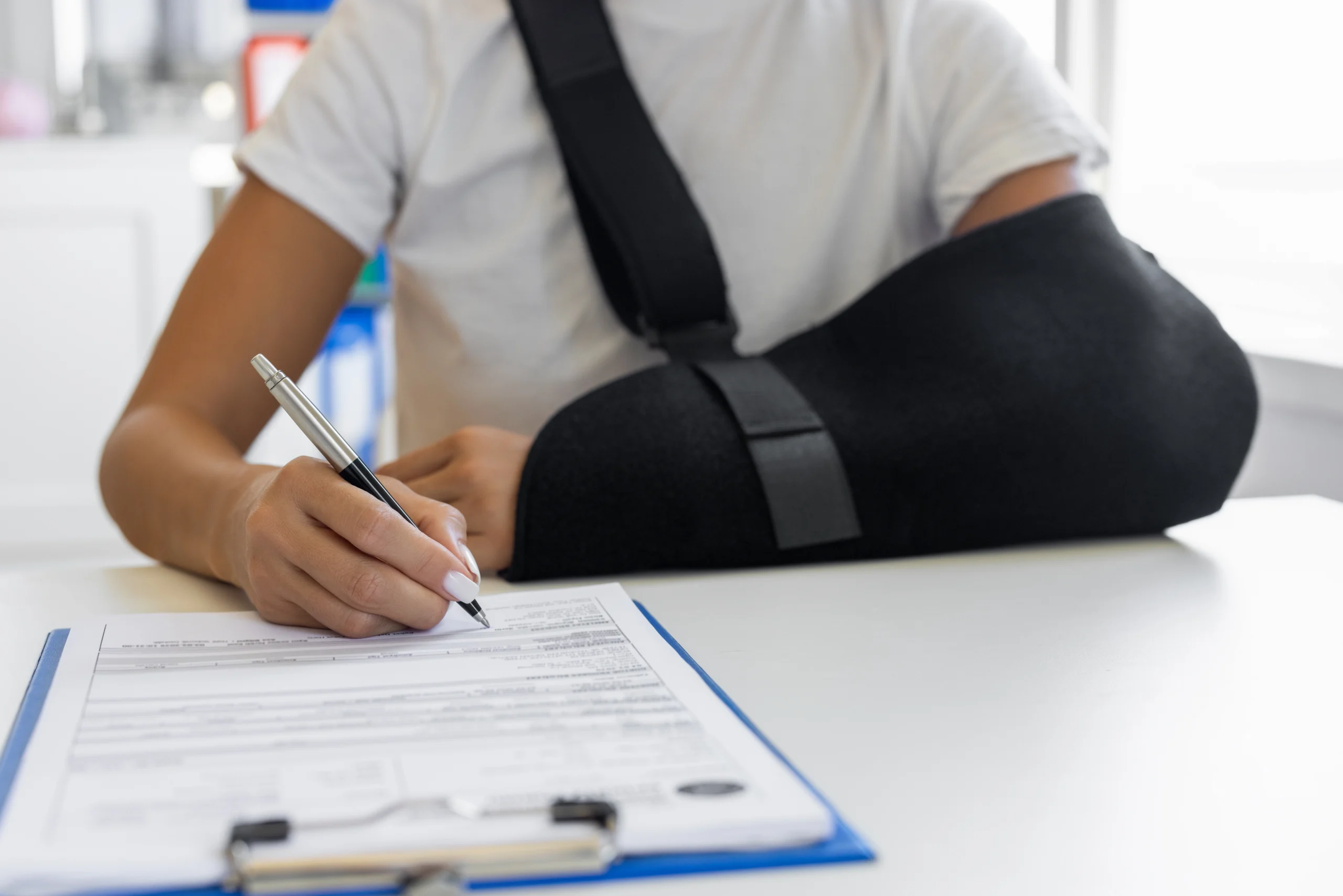
See a doctor promptly even if your symptoms seem minor. Insurers often argue that delayed treatment means you were not seriously hurt. Common hit and run injuries include whiplash, neck and back injuries, fractures, concussions, traumatic brain injuries, spinal injuries, internal bleeding and soft-tissue damage. Pedestrians and cyclists often suffer especially serious injuries because nothing shields them from the impact. Learn more in our guide to the most common car accident injuries.
Step 7: Keep Every Record
Save medical records and bills, prescription receipts, repair estimates, tow receipts, photos, the police report, and all insurance correspondence. Keep a simple journal of your pain levels, appointments, missed work and daily limitations. Together, these show the full impact of the crash. Our car accident evidence guide has a more detailed checklist.
You Still Have to Prove Your Claim, But Not Beyond a Doubt
Even when the driver is gone, you carry the burden of proof. As our founder Shawn Rokni explains: "In a personal injury claim, the burden of proof lies with you, the injured party. That means it's up to you (or your lawyer) to present enough evidence to convince the insurance company — or a jury if it comes to that — that the other party was negligent and their negligence caused your injuries."
The good news is that the civil standard is much lower than in a criminal case. "The standard in civil cases is known as the 'preponderance of the evidence,'" Shawn says. "This doesn't mean you have to prove your case beyond reasonable doubt like in a criminal case. But you do have to show that it's more likely than not — more than 50% — that your version of the events is true." Photos, witness accounts, video and medical records combined can build a strong claim even if the driver is never found.
Where Compensation Can Come From
Uninsured motorist (UM) coverage
When the fleeing driver cannot be identified, your insurer generally treats them like an uninsured driver. If you carry UM coverage, it may pay for medical bills, lost wages, pain and suffering, and future treatment, up to your policy limits. Keep in mind that your own insurer is still an insurance company evaluating cost and risk, and it may push back on the value of your injuries. Our guide to uninsured driver collisions explains how these claims work.
Collision coverage
Collision coverage can pay to repair or replace your vehicle regardless of who caused the crash, subject to your deductible.
A claim against the driver
If police, witnesses, traffic or security cameras, or dashcam footage identify the driver, you may be able to pursue a claim against that driver and their insurance. Other people or businesses may also be responsible, depending on who owned the vehicle and why it was being driven.
How Hit and Run Drivers Get Identified
Many drivers who flee assume they got away with it. Investigators, however, can draw on traffic cameras, business and home surveillance systems, dashcam footage, vehicle debris and paint transfer, eyewitnesses, and other records. An attorney can run an independent investigation alongside the police to find evidence and, when possible, the driver. Insurers sometimes dispute whether an unidentified "phantom" vehicle was even involved; our firm has handled cases like a rear-end crash in which we defeated a "ghost vehicle" defense.
Mistakes to Avoid
- Leaving before police arrive, unless you need emergency care.
- Delaying medical treatment.
- Assuming you have no case because the driver disappeared.
- Speaking too freely with adjusters, including your own. Don't speculate about fault or downplay your injuries before getting advice.
Damages You May Recover
Depending on the facts and available coverage, compensation may include medical expenses and future treatment, lost income and reduced earning capacity, rehabilitation costs, property damage, physical pain, emotional distress, permanent disability, and loss of enjoyment of life.
Why Acting Quickly Matters
Surveillance footage is often overwritten within days, witnesses become harder to find, debris gets cleared from the road, and delayed treatment weakens medical records. The sooner you start building your case, the stronger it is likely to be.
If you were injured in a hit and run in Los Angeles, our team can investigate, track down evidence, and handle the insurance claim while you focus on recovering. Contact Insider Accident Lawyers for a free case review or call 424-INSIDER. You pay no attorney's fee unless we recover compensation for you.