Product liability is the legal responsibility that manufacturers, distributors, wholesalers and retailers have for injuries caused by defective or dangerous products. In California, many product claims are governed by strict liability, which means an injured person generally does not have to prove the company was careless, only that the product was defective and that the defect caused the injury.
Why Product Liability Matters
People rely every day on products being safe when used as intended, from household goods and food to medical devices and cars. The companies that design, build and sell those products have a legal duty not to put unreasonably dangerous items on the market. When they fail, California law gives injured consumers a way to seek compensation and hold those companies accountable. Our product liability practice represents individuals and families harmed by defective products throughout Los Angeles.
These cases can be complex because they often involve large corporations, their insurers and technical evidence about how a product was designed and made.
California's Strict Liability Rule
Under strict liability, you generally need to show that:
- The product was defective
- The defect existed when the product left the defendant's control
- The defect caused your injury while the product was being used as intended or in a reasonably foreseeable way
The rule is designed to protect consumers and place responsibility on the businesses that profit from selling products, since they are the ones able to find and fix safety problems before a product reaches consumers.
The Three Types of Product Defects
Design Defects
A design defect means the product is dangerous because of how it was designed, even if it was built exactly to plan. Every unit carries the same risk, such as a vehicle prone to rollover or an appliance that overheats in normal use.
Manufacturing Defects
A manufacturing defect happens when a safe design becomes dangerous because of a mistake in production, assembly or quality control. Only some units are affected, such as a batch of tires with a bonding flaw.
Failure to Warn
A product can also be defective if it lacks adequate warnings or instructions about risks the manufacturer knew or should have known about. Missing or unclear warnings can make a company liable for the injuries that follow.
Who Can Be Held Liable?
Several companies in the chain of distribution may be responsible, including:
- Manufacturers, including makers of component parts
- Distributors
- Wholesalers
- Retailers
A business that did not make the product may still be accountable under California law. Defective products also show up in other kinds of cases. For example, a brake or tire failure can make a manufacturer one of the potential defendants in a rideshare crash, and defective heaters, batteries or appliances can cause serious burn injuries.
What Damages Can You Recover?
- Medical expenses, ongoing treatment and rehabilitation
- Lost wages and reduced earning capacity
- Pain and suffering and emotional distress
- Property damage
- Wrongful death damages when a defective product takes a life
Product injuries often have long-term consequences, so evaluate your damages fully before accepting any settlement. If a family has lost someone, see how long you have to file a wrongful death claim in California.
Protect the Evidence
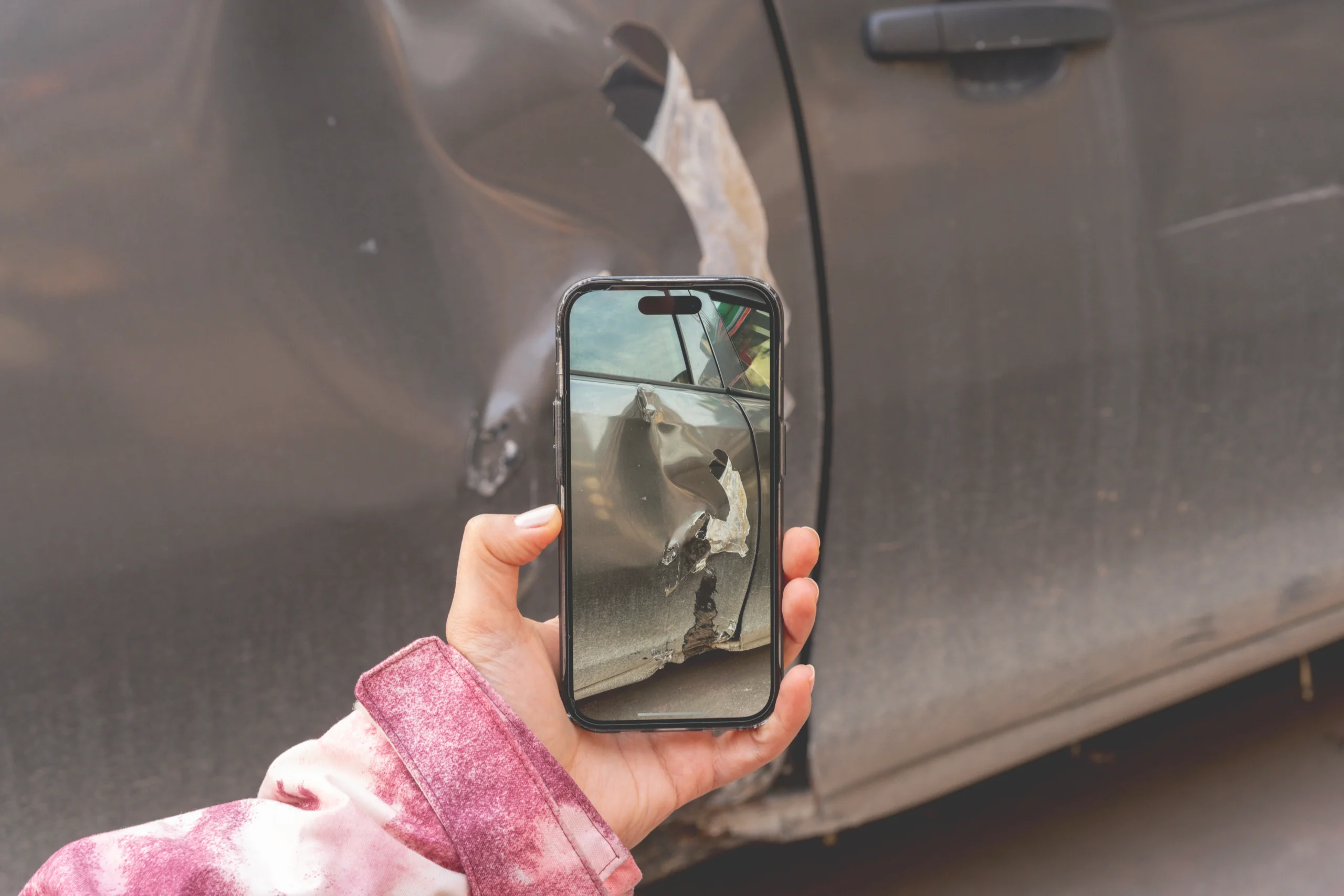
Keep the product exactly as it is, along with the packaging, instructions and receipt. Do not repair or discard it. Photograph the product and your injuries, and write down how you were using it when it failed.
The Insider View
Manufacturers and their insurers typically defend these claims by blaming misuse, alterations or the injured person's own conduct. Our founding attorney, Shawn Rokni, previously worked as a senior insurance defense attorney and in-house counsel for a major auto insurer, and we prepare product cases with those defenses in mind from the start.
If a defective product injured you or someone you love, call 424-INSIDER or request a free case review. You pay no attorney's fee unless we recover compensation for you.